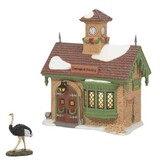
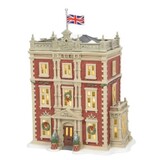
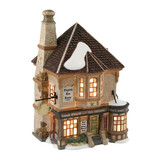
The London Zoological Gardens is the world's oldest scientific zoo and originally intended for scientific study. Opened in 1828 the zoo was opened for public viewing in 1848. The set of 2 includes the brick gate house and ostrich figurine.
The Cotswolds is a beautiful rural area west and south of London filled with rolling hills and quaint architecture. The greengrocer is a British and Australian term used to describe a retailer where mainly fruits and vegetables are sold.
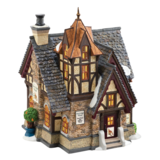
Named for one of Charles Dickens' middle names (he had two), Charles John Huffam Dickens. Huffam Fields Farm is a handsome cobblestone barn that was typical of those built by gentlemen farmers in England in the 19th century.
This is the 12th piece & final piece for the "Twelfth Night" series in Dickens' Village. The Corps of Drums, also known as "Drums" was originally used as signalers when entering battle. They have been part of the British military since the 16th century.
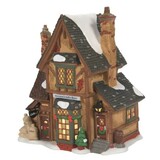
A Coaching House was also called a coaching inn, and was a vital part of transportation and the infrastructure of England until the rail systems were fully up and running. Coaches carry travelers, goods, and the mail.
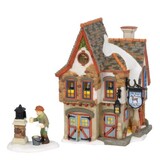
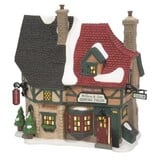
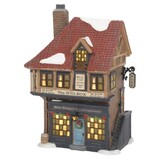
During the 1800s, it was popular to speculate which clipper ship carrying tea from the Far East would arrive first in London. The side of our Joseph Edward Tea Shoppe includes a sign announcing the race updates. Hand painted porcelain with cord & bulb.
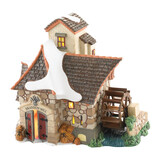
Part of the Dickens' Village Series from Department 56. Victorian England, where many traditions we celebrate today took shape. The miller at Brandon Mill ground corn for his neighbors. Hand-crafted & hand-painted porcelain lit building.
Housed in Cornhill Shoppes is a high-end custom Milliner and William & Son Bespoke Tailer. The word bespoke means that each garment is made from a custom pattern and assures that the fit is perfect. Cornhill is one of the 25 wards within London.
Inspired by Garraway's Coffee House from the 18th century, this coffee house was not only a gathering place, but a place where important business was conducted. Both coffee and tea were sought after drinks during the time of Charles Dickens.
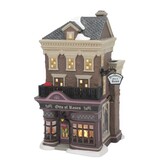
History tells us that Perfumeries originally sold oils and pomanders to keep undesirable orders at bay. Later they became part of the cosmetic industry and were used by men and women of high society.
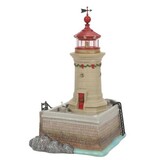
The Dickens' Village Ramsgate Lighthouse as we know it, was built in 1842. It overlooks the English Channel where visitors get breathtaking views of the sea and the boats that travel in and out of the harbour.
All the most discerning ladies come here to have their gowns made and altered. And for those in need of a finely crafted wig or hairpiece, visit the wig shop on the second story.
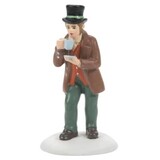
This patron of Garraway's Coffee House is careful to sip his fresh hot coffee in the proper British manner. This accessory is designed to accompany the Garraway's Coffee House.
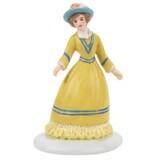
With her new and fashionable dress and hat, this Londoner can truly say, I feel retty. This accessory was designed to accompany Mary Margaret's Fine Dresses.
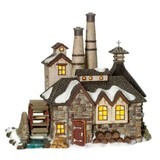
Designed to accompany Dickens Village by Department 56, the distillery features an animated water wheel used to power the machinery inside the Victorian era distillery.
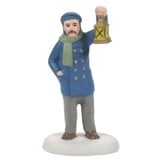
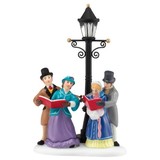
Part of the Dickens' Village Series from Department 56. Victorian England, where many traditions we celebrate today took shape. Caroling By Lamplight, Hand-crafted & hand-painted porcelain accessory.
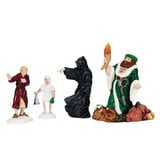
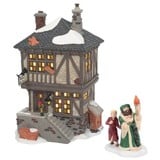
From Dickens' most popular story, A Christmas Carol , the Spirit of Christmas Present appears to Ebenezer dressed in a green velvet robe. Together they travel through the city seeing the celebration of Christmas, from the very rich to the very poor.