Though a bit early for our newborn calf, the caretaker cannot help himself from offering a nimble of a tasty romaine leaf as a treat for the young giraffe.
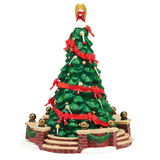
Special Edition, new for 2015. Each Village, including Dickens' Village, will showcase a town tree. Hand-Crafted and Hand-Painted Porcelain, highly detailed, make this a wonderful centerpiece accessory for your display.
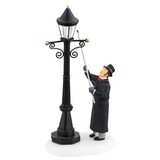
From afar, you may not be able to tell where the lamplighter is, but you can you always tell where he's been by the glow of the gaslights lighting the streets.
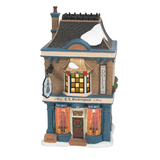
Peer into the window of T.L. Buckingham Doll Shop at Christmas, and you'll be greeted with a scene that feels like stepping into a miniature world of childhood. With dolls so intricate and lifelike, even Santa's elves cannot help but feel inspired!
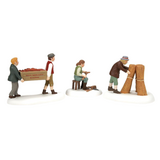
Witness a moment that changed history as the first ceramic tiles are offboarded from the trains now connecting centers of pottery to remote villages across Europe. Set of 3.
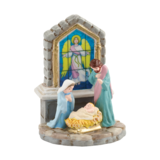
Part of the Dickens' Village Series from Department 56. Victorian England, where many traditions we celebrate today took shape. Dickens Nativity, Hand-crafted & hand-painted porcelain accessory.
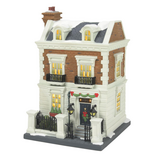
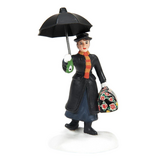
Relive the arrival of Mary Poppins at #17 Cherry Tree Lane with her parrot-handled umbrella and traveling carpet bag. The Banks family home is filled with Georgian details of stone and wrought iron plus accents of Christmas cheer.
Precious miniatures known for their incredible detail & well-groomed landscaping, Lilliput Lane was one of our most collectible series for many years. Our creative team has reimagined the world of Lilliput Lane for Dickens' Village.
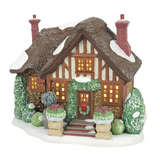
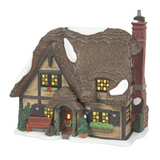
With railroads now connecting centers of pottery production to remote villages throughout Europe, the Master Thatcher finishes the roof on his final cottage – his own – just in time to watch crates of new ceramic roofing tiles carried to his neighbor.
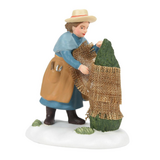
With her well-stocked apron, Mrs. Lilliput carefully wraps the bushes in breathable, warm burlap before the first frost which is predicted to happen any day now.
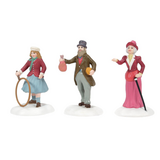
Much like today, a Victorian Market at Christmas would be a scene full of lively characters, colorful exchanges, and a palpable sense of joy and tidings for all! Set of 3.
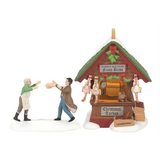
Markets have been the preferred venue for farmers and artisans to provide the freshest bread, produce, and meats direct to villagers. In fact, it was tradition that holiday turkeys were auctioned off & then by the butcher to the winning recipient.
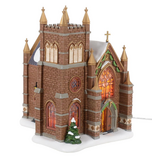
Despite evoking God through stone and glass, Victorians understood that the true strength of a church was not its steeple, but in the fraternal bond of its members who were required to demonstrate values of respectability, thrift, and charity.
A reminder that a lot of little lights can make a huge impact, the Christingle Procession finds the children's faces brighter than the candles they hold!
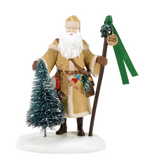
With his signature trimmed robe and Christmas offerings, Father Christmas is fresh from his role in the local mummers' play, offering good cheer and merriment for 2026 and beyond!
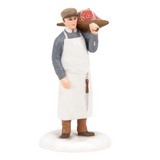
From the bustling markets of Victorian London, The Butcher's Boy carries the spirit of the young apprentice, learning his craft by the master's side. It tells a story of hard work, pride, and mastery of the finest meats.
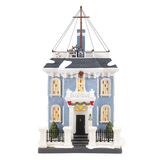
Admiral Boom's House bursts with whimsy, wonder, and a touch of nautical charm. From the meticulously detailed cannons to the Admiral's stately flair, every corner celebrates the quirky charm of the sea-faring captain of Cherry Tree Lane.
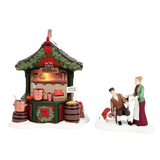
Wassil Booth brings the centuries-old tradition of wassail to life: a rich, spiced cider enjoyed by Londoners for generations to toast the season. Here, Victorian holiday markets are alive with warmth, laughter, and the aroma of festive cheer.